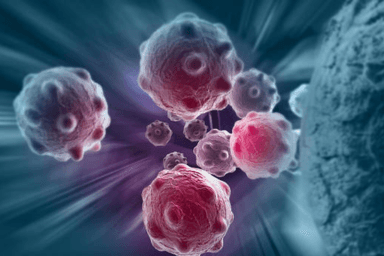
Advances in immunotherapy have transformed cancer treatment by harnessing the body’s own immune system to recognize and destroy tumor cells more effectively. One of the most significant breakthroughs is the development of immune checkpoint inhibitors, which target regulatory pathways such as PD-1/PD-L1 pathway and CTLA-4 pathway, allowing T-cells to remain active against cancer cells. Another major innovation is CAR T-cell therapy, where a patient’s T-cells are genetically engineered to specifically attack cancer, showing remarkable success in certain blood cancers. Cancer vaccines and oncolytic virus therapies are also emerging, designed to stimulate immune responses or directly infect and kill tumor cells while activating immunity. Additionally, advances in personalized medicine and biomarker testing have enabled more precise selection of patients who are likely to benefit from these treatments, improving outcomes and reducing side effects. Despite challenges such as immune-related adverse effects and variability in response, ongoing research continues to expand the scope and effectiveness of immunotherapy, making it a cornerstone of modern oncology.