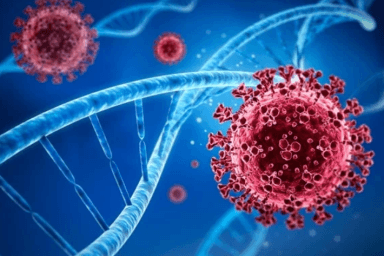
Emerging and re-emerging viral diseases pose significant threats to global public health, often resulting in outbreaks, epidemics, or even pandemics. Emerging viral diseases are those caused by newly identified or previously unrecognized viruses, such as SARS-CoV-2 (which led to COVID-19), Nipah virus, and Zika virus. These viruses often originate from zoonotic sources, spreading from animals to humans due to factors like habitat destruction, climate change, and increased human-animal interactions. Re-emerging viral diseases, on the other hand, are those that were previously under control but have resurged due to factors such as waning immunity, mutation, or changes in vector distribution. Examples include dengue, measles, and Ebola. Globalization, rapid urbanization, antimicrobial resistance, and inadequate healthcare infrastructure further contribute to the spread of these diseases. Effective surveillance, early detection, vaccine development, and international collaboration are crucial in preventing and controlling outbreaks, reducing the burden of viral diseases on human health and economies.