










































Theme: Recent Advances and Future Prospects: Focusing on Discoveries in Food Science and Technology


The World Conference on Food Science & Nutrition will take place from June 08–10, 2026 in Paris. It will bring together leading researchers, scientists, clinicians, and professionals from around the world to discuss the latest developments in food science, nutrition, and their impact on global public health.
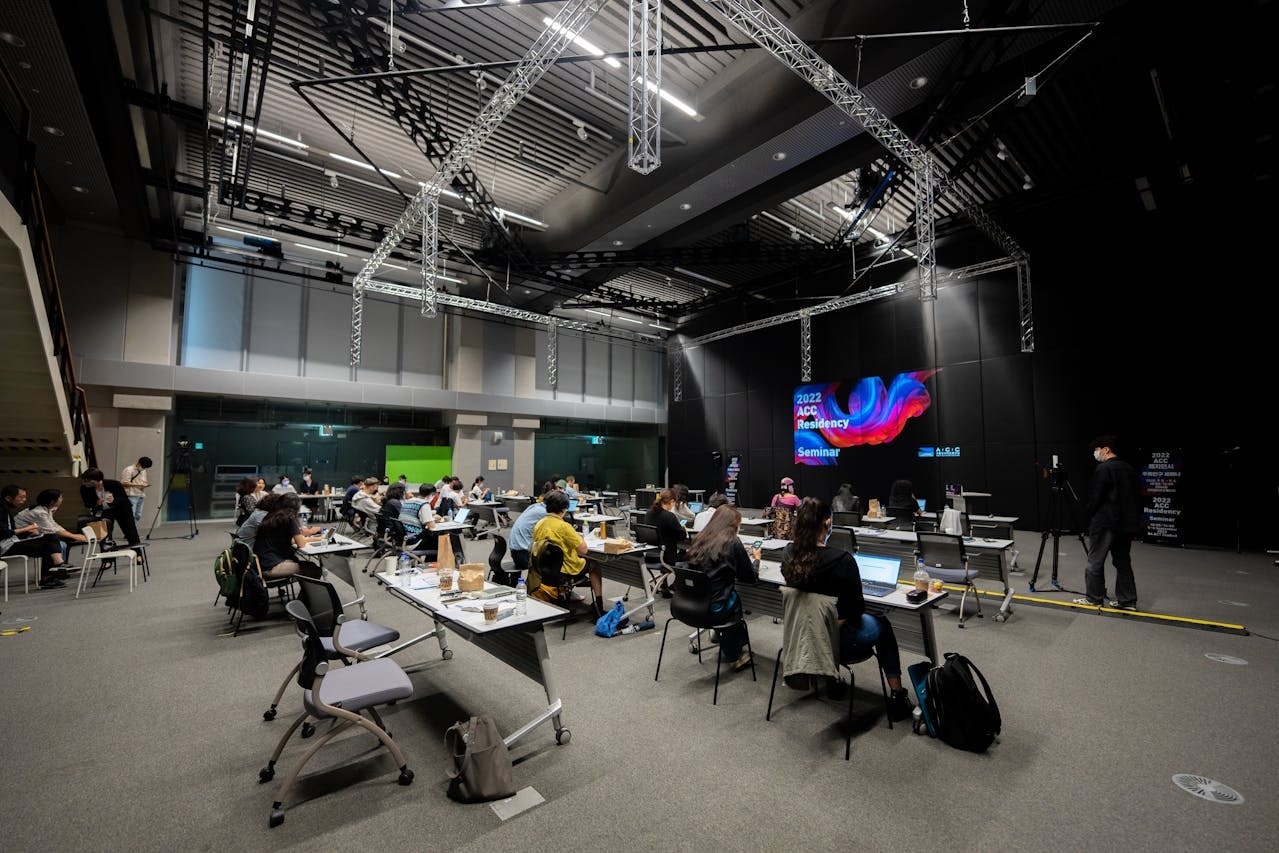
Centered on the theme “Recent Advances and Future Prospects: Focusing on Discoveries in Food Science and Technology,” the conference will focus on innovations in food technology, sustainable production, food safety, and nutrition-related challenges. The event will include keynote speeches, panel discussions, workshops, and poster presentations, providing a strong platform for collaboration, networking, and sharing cutting-edge research.

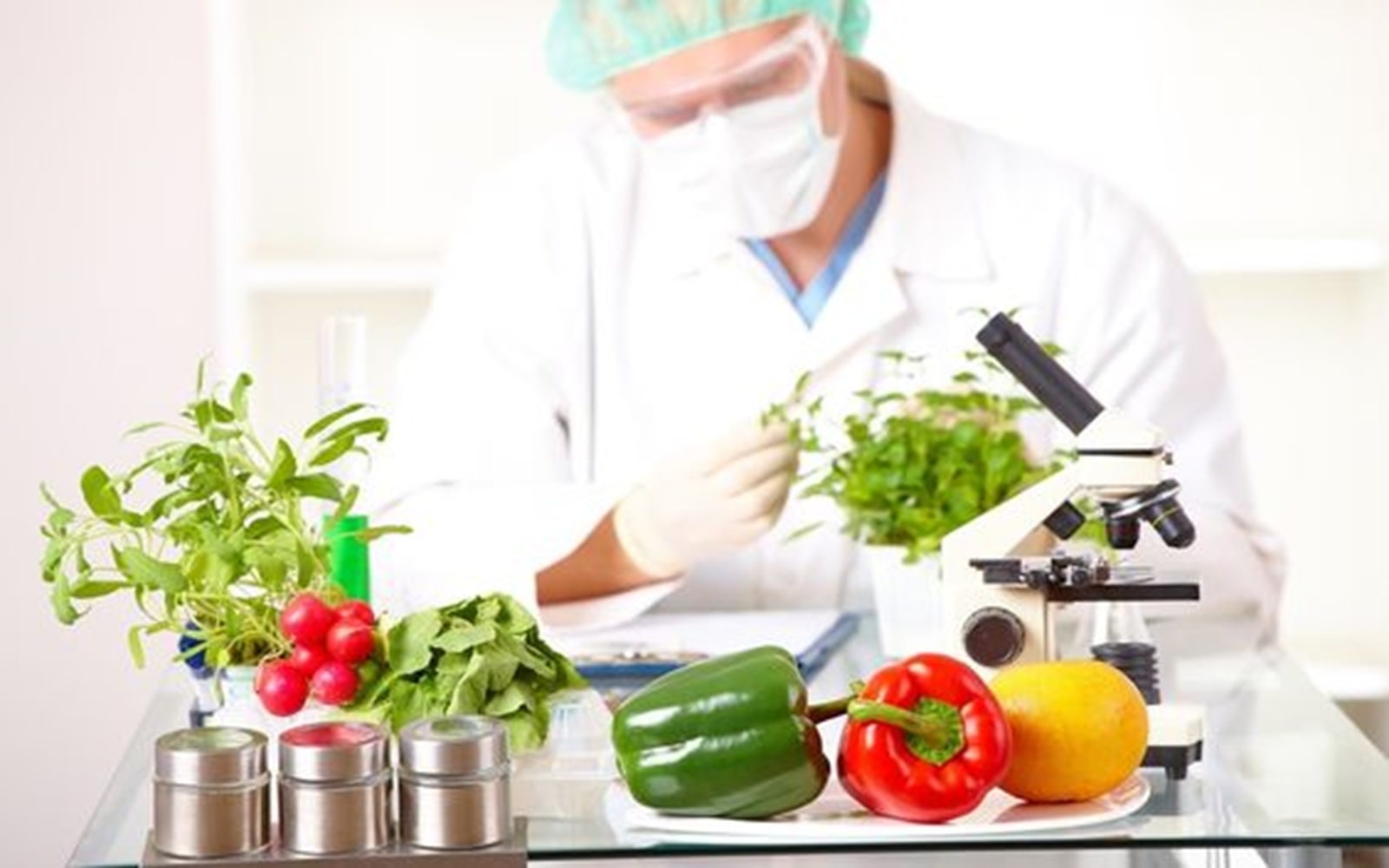
Advanced Food Science and Technology is an interdisciplinary field focused on the application of innovative techniques and scientific principles to improve the quality, safety, sustainability, and nutritional value of food. It integrates knowledge from biology, chemistry, engineering, and biotechnology to develop advanced processing methods, such as high-pressure processing, nanotechnology, and 3D food printing, which enhance food preservation and functionality.
Recent advancements in food science have highlighted innovative applications of colloids and polymers to enhance the quality, functionality, and sustainability of food products. In food colloids, nanotechnology has emerged as a key trend, enabling precise control over texture, stability, and emulsification. Biopolymer-based innovations, such as polysaccharides and proteins, are gaining traction as eco-friendly alternatives for food packaging and encapsulation
Food Engineering and Materials Science play crucial roles in the development of innovative food solutions. Food engineering focuses on applying engineering principles to food production, processing, and preservation, optimizing efficiency, safety, and sustainability in the food supply chain.
Advanced research in food sensory science focuses on understanding how consumers perceive and respond to food products, incorporating a multidisciplinary approach that includes psychology, neuroscience, and biotechnology. Recent trends involve the use of advanced technologies like virtual reality (VR) and artificial intelligence (AI) to simulate sensory experiences and predict consumer preferences more accurately
Innovative beverage formulations are transforming the drink industry, offering a wide range of creative options for both alcoholic and non-alcoholic consumers. In the realm of alcoholic beverages, there has been a rise in craft cocktails, flavored spirits, and low-alcohol alternatives that cater to evolving tastes and health-conscious preferences.
Food microbiology and enzymology play critical roles in advancing novel applications in food production, preservation, and safety. Food microbiology focuses on understanding the microorganisms that affect food, including beneficial bacteria, fungi, and yeasts, as well as harmful pathogens.

Danone SA
Speaker

Yunnan Normal University
Speaker

Instituto de Tecnologia de Alimentos
Speaker

Nouveau Horizons/New Horizons
Speaker

Yunnan Normal University
China
“We’re Here To Redefine The Conference, Making It Not Just Informative But Truly Inspiring And Memorable Conference.”