Theme: Advancing Emergency Medicine & Critical Care Through Innovation, Rapid Response, and Life-Saving Technologies
The International Conference on Emergency Medicine, Trauma & Critical Care 2027, organized by Wisdom Conferences, will be held in Milan, Italy, from October 18–20, 2027. This prestigious global event brings together emergency physicians, trauma specialists, critical care experts, intensivists, surgeons, paramedics, nurses, healthcare professionals, researchers, academicians, and industry leaders from around the world. Theme: Advancing Emergency Medicine & Critical Care Through Innovation, Rapid Response, and Life-Saving Technologies. The conference serves as an international platform for discussing the latest advancements, innovative technologies, and evidence-based practices in emergency medicine, trauma management, disaster response, intensive care, emergency surgery, resuscitation science, and critical patient care.
Participants will engage in keynote lectures, scientific presentations, panel discussions, workshops, case-based learning sessions, and networking opportunities designed to encourage collaboration and professional development. The scientific program focuses on emergency response systems, trauma care innovations, critical care medicine, airway management, sepsis management, emergency imaging, cardiac emergencies, neurocritical care, emergency nursing, AI in emergency healthcare, telemedicine, and life-saving technologies transforming acute patient care worldwide. The conference aims to promote interdisciplinary collaboration, enhance emergency healthcare systems, improve patient outcomes, and support the advancement of modern emergency and critical care medicine globally.
Emergency medicine and acute critical care focus on the rapid assessment, diagnosis, stabilization, and treatment of patients with life-threatening illnesses and injuries. This session highlights innovative emergency response systems, acute patient management strategies, triage protocols, and advancements improving emergency healthcare outcomes.
Trauma surgery and polytrauma management play a vital role in treating severe injuries caused by accidents, violence, and disasters. Topics include advanced trauma life support, damage control surgery, hemorrhage management, trauma resuscitation, and multidisciplinary approaches improving survival and recovery.
Critical care medicine is continuously evolving through advanced monitoring systems, intelligent ICU technologies, and evidence-based treatment protocols. This session explores intensive care innovations, organ support systems, ICU workflow optimization, and patient-centered critical care strategies.
Advanced cardiac life support focuses on rapid intervention for cardiac arrest, arrhythmias, and cardiovascular emergencies. Discussions include resuscitation science, emergency cardiac algorithms, defibrillation technologies, post-cardiac arrest care, and advanced emergency cardiovascular management.
Artificial intelligence is transforming emergency healthcare through predictive analytics, automated diagnostics, clinical decision support systems, and AI-assisted patient monitoring. Topics include machine learning, emergency imaging analysis, digital triage, and smart emergency healthcare technologies.
Sepsis and septic shock remain major global healthcare challenges requiring rapid diagnosis and intervention. This session focuses on early sepsis detection, infection control, antimicrobial therapies, hemodynamic stabilization, biomarker technologies, and critical care protocols improving patient survival.
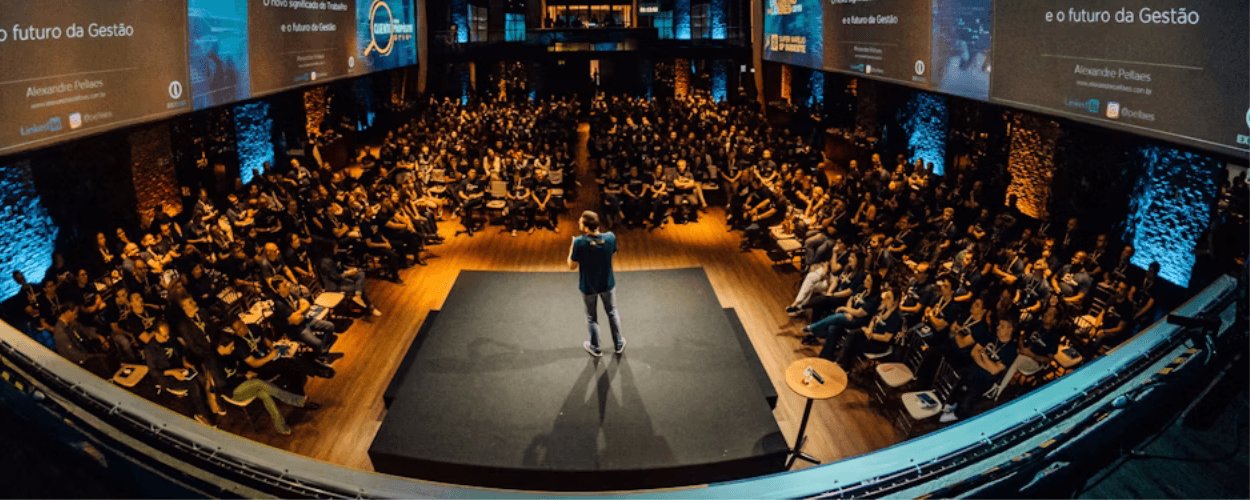







“We’re Here To Redefine The Conference, Making It Not Just Informative But Truly Inspiring And Memorable Conference.”