Theme: - Revolutionizing Healthcare: The Latest Advances in Digital Health and Telemedicine
The Digital Health and Telemedicine Conference will take place from September 21–23, 2026, in Milan, Italy, bringing together leading experts, researchers, clinicians, and practitioners from around the world. This prestigious event will serve as a global platform to explore the latest advancements in healthcare technologies, including remote patient monitoring, telemedicine practices, and innovative digital health solutions. Under the theme “Revolutionizing Healthcare: The Latest Advances in Digital Health and Telemedicine,” the conference will highlight cutting-edge breakthroughs, emerging technologies, and strategies aimed at improving healthcare delivery through digital platforms. Join us in Milan to be part of this transformative gathering and contribute to shaping the future of healthcare.
Attendees can expect a diverse program featuring keynote lectures, panel discussions, workshops, and poster presentations focused on topics such as AI and machine learning in healthcare, digital therapeutics, telemedicine adoption, and patient-centered innovations. The event will also address critical challenges including healthcare accessibility, data security, privacy concerns, and the integration of digital tools into traditional healthcare systems. With excellent networking opportunities and collaboration prospects, this conference is designed to inspire groundbreaking research and meaningful connections—join us Milan,Italy and be a part of the innovation driving the next era of digital health and telemedicine.


AI in telemedicine enhances healthcare through remote monitoring, diagnostics, and personalized care. It analyzes large datasets for faster decisions, automates routine tasks, and supports predictive healthcare, improving efficiency, accessibility, and patient-centered outcomes globally.
Remote monitoring uses devices and apps to track patient health data like blood pressure and glucose levels. It enables timely care, reduces hospital visits, supports chronic disease management, improves adherence, lowers costs, and enhances quality of life.
Telehealth interoperability ensures seamless data exchange across systems like EHRs and monitoring tools. It improves care quality, reduces duplication, supports real-time decisions, enhances collaboration, and requires standards, security, and integration for effective healthcare delivery.
Telemedicine requires strong privacy and security measures to protect sensitive data. Encryption, secure platforms, and regulatory compliance prevent breaches. Awareness, regular updates, and cybersecurity practices ensure trust, safeguarding patient information in digital healthcare environments
Telemedicine improves rural healthcare access by enabling remote consultations and reducing travel. It supports chronic care and specialist services. Investments in internet infrastructure, policy support, and digital literacy are essential to ensure equitable healthcare delivery.
Wearables track vital health data continuously, enabling early detection and better disease management. They empower patients, support remote monitoring, improve treatment adherence, reduce hospital visits, and enhance outcomes through integration with AI and telemedicine technologies.
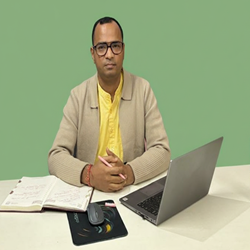
UPT - Universidade Portucalense
Keynote Speaker

City University of Hong Kong
Speaker













“We’re Here To Redefine The Conference, Making It Not Just Informative But Truly Inspiring And Memorable Conference.”