
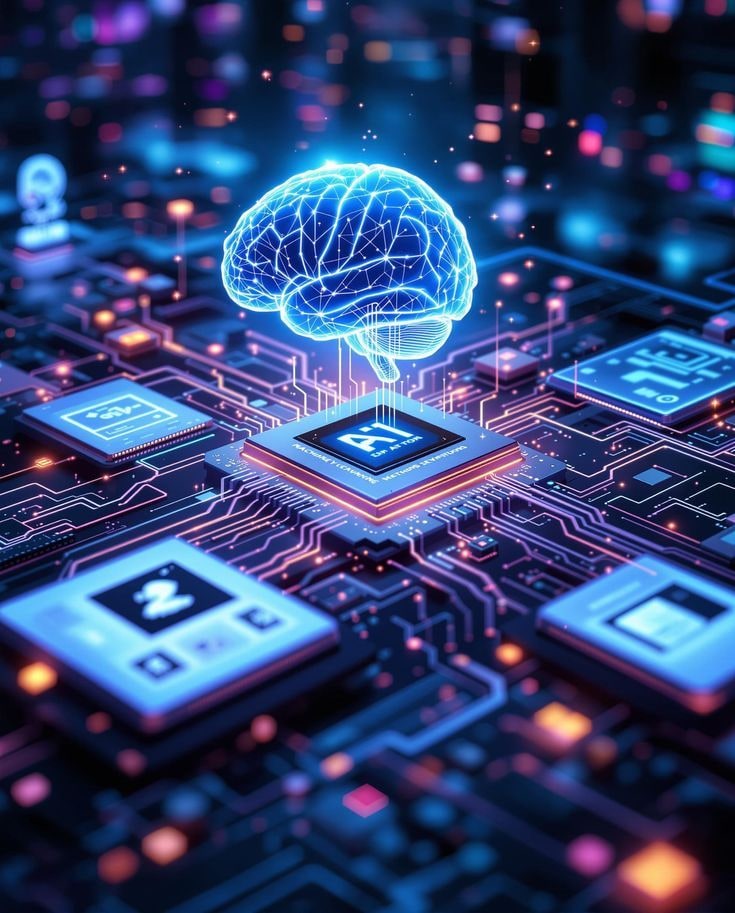
















Theme: Innovating the Future: AI and Machine Learning


The World Conference on Computer Science and Engineering will take place from October 05-07, 2026, in the vibrant city of Tokyo, Japan. This prestigious event will bring together leading experts, researchers, engineers, and scholars from across the globe in the fields of computer science and engineering.
The conference will serve as a premier platform to discuss the latest advancements in machine learning and artificial intelligence, along with their transformative applications in diverse industries.
With the theme "Transforming the World with Machine Learning and Artificial Intelligence," the conference will focus on the groundbreaking impact of AI and ML on innovation, automation, and problem-solving. Topics will include cutting-edge research on neural networks, natural language processing, computer vision, and ethical AI. Additionally, the conference will address critical challenges such as data security, model interpretability, and the role of AI in driving sustainable and inclusive development.
The event will feature a dynamic array of sessions, including keynote lectures, panel discussions, workshops, and poster presentations, designed to inspire collaboration and knowledge exchange. Attendees will explore the latest AI-driven solutions, novel algorithms, and practical implementations across fields such as healthcare, finance, robotics, and climate science.
The World Conference on Computer Science and Engineering provides an unparalleled opportunity for professionals to network, share insights, and collaborate on transformative research and technologies. Join us in Tokyo, Japan for this influential event, and play a part in shaping the future of artificial intelligence and machine learning for the betterment of society.

This session explores innovations in neural networks and deep learning, including transformer models, CNNs, and RNNs. It highlights training advancements, scalability, and interpretability challenges, with applications in computer vision, NLP, healthcare, finance, robotics, and autonomous systems.
This session focuses on explainability and ethical AI practices, emphasizing transparency, fairness, and accountability. It covers model interpretation, bias mitigation, data privacy, and responsible AI policies, helping participants develop trustworthy, socially responsible, and ethically aligned intelligent systems.
This session explores reinforcement learning principles, including Q-learning, policy gradients, and deep RL. It covers applications in robotics, gaming, and autonomous systems, while addressing challenges like scalability, exploration strategies, and real-world implementation efficiency.
This session highlights generative AI advancements, including GPT models, GANs, and diffusion techniques. It explores applications in text, art, music, and video generation, while addressing ethical concerns like authenticity, copyright, and the broader societal impact.
This session examines AI in healthcare, covering diagnostics, predictive modeling, personalized medicine, robotic surgery, and drug discovery. It highlights improved efficiency, reduced costs, better patient outcomes, and ethical considerations in deploying AI-driven healthcare solutions.
This session explores big data tools like Hadoop and Apache Spark, focusing on data processing, visualization, and real-time analytics. It covers storage, cleaning, and distributed computing, enabling better decision-making and innovation across industries like finance and healthcare.

Zhejiang University
Keynote Speaker

Zhejiang University
Speaker
“We’re Here To Redefine The Conference, Making It Not Just Informative But Truly Inspiring And Memorable Conference.”